
ReefExplorer – Your Underwater Adventure 2026
The online lecture series by aquatil & Blancpain
as part of the UN Decade of Ocean Science for Sustainable Development

Foto: Herbert Frei
UN Ozean Decade
The Ocean Decade is a global initiative launched by the United Nations with the aim of collectively shaping the ocean we need for the future: healthy, full of life, with protected areas, and sustainably managed. Science-based solutions are to be developed and implemented to address the most urgent challenges facing the ocean. However, this enormous task requires not only marine research, but also the engagement of partners and supporters from all sectors of society.


With 12 Experts Throughout 2026
2026 is all about your underwater adventure! Discover everything about the fascinating underwater world and its incredible diversity—completely free of charge. From February to December, experts will present exciting lectures (all talks will be in German) on a variety of topics. Whether you are interested in general information or specific questions, there is something here for everyone2026 is all about your underwater adventure! Discover everything about the fascinating underwater world and its incredible diversity—completely free of charge. From January to December, experts will present exciting lectures on a variety of topics. Whether you are interested in general information or specific questions, there is something here for everyone.
Your Underwater Adventure 2026
If you want to dive deeper into the fascinating underwater biodiversity, our free online lecture series with experts is just right for you. Throughout the year, you’ll learn exciting facts about dolphins, orcas and other whales, sea turtles, and octopuses—as well as the challenges they face worldwide.
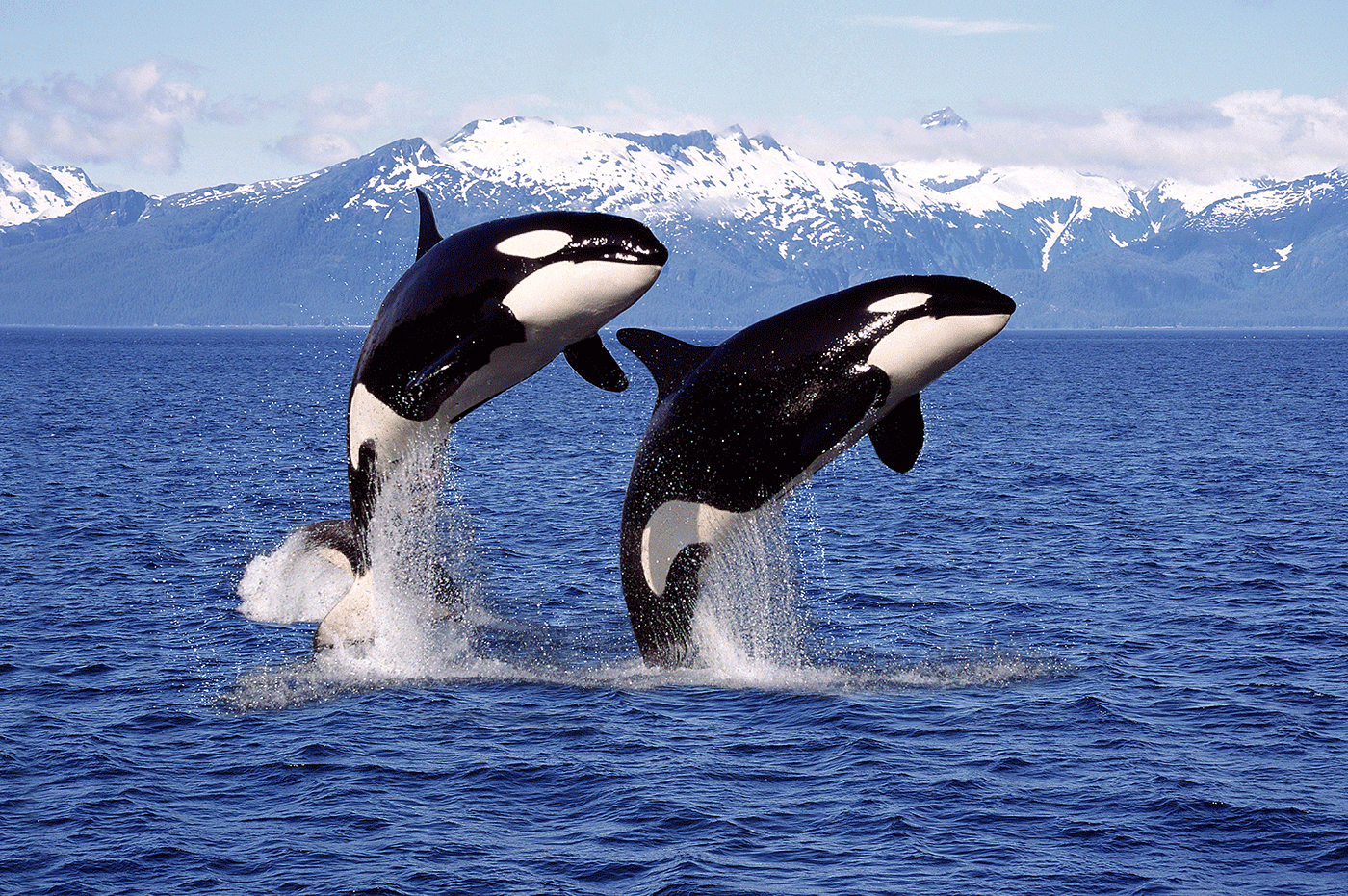
Foto: slowmotiongli/Shutterstock.com
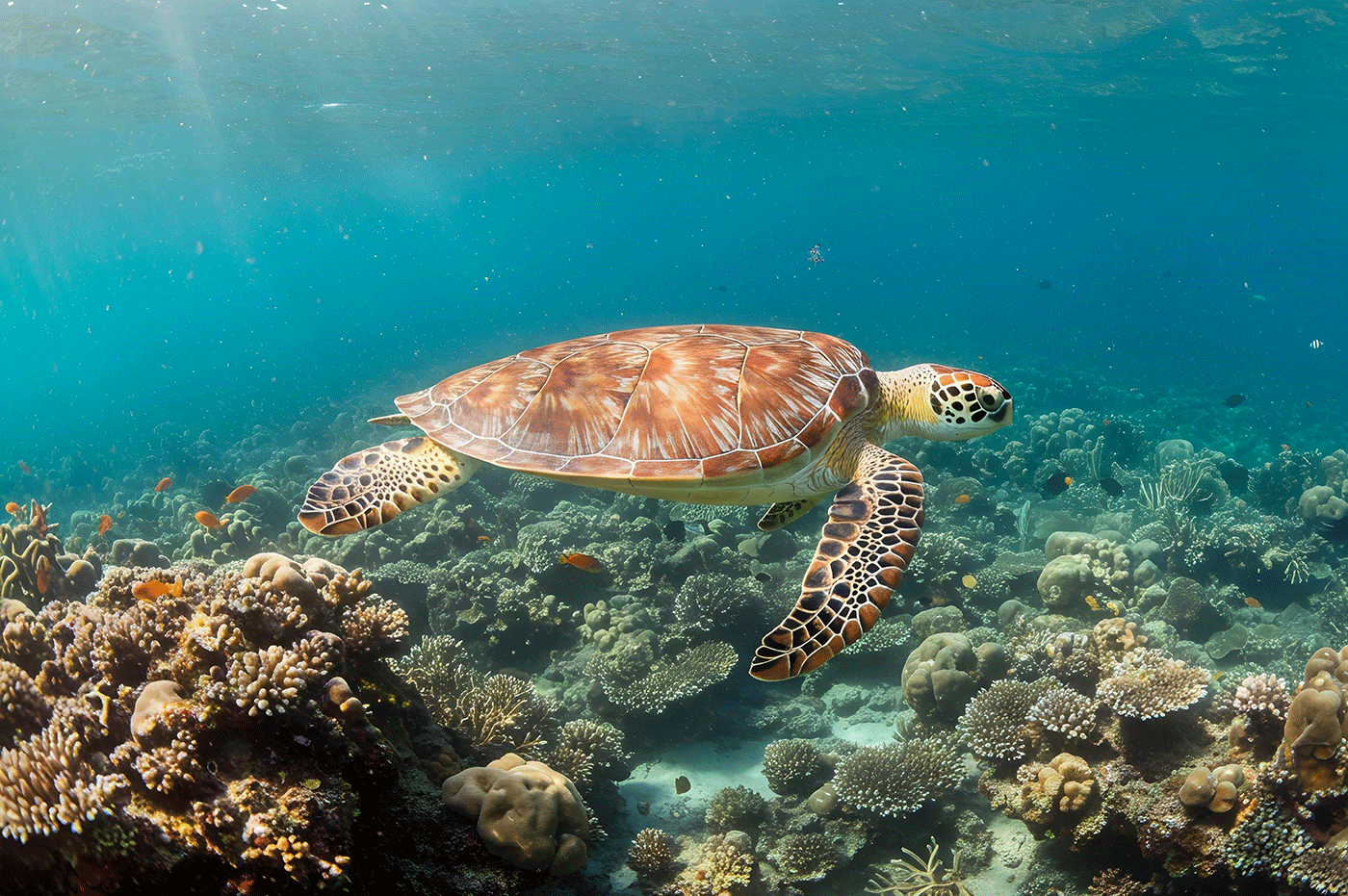
Foto: Andrewfel/Shutterstock.com
Together for the World Underwater
The ReefExplorer lecture series is supported by numerous dedicated partners, including dive centers, dive travel operators, diving equipment manufacturers, diving training organizations, and scientific institutions that focus on biodiversity, animal behavior, and conservation. Their joint commitment makes this lecture series possible and sends a strong message in support of protecting our underwater world.
Exclusive TripExclusive Trip to Egypt, 1st to 8th/10th August 2026
Are you fascinated by the underwater world of the Red Sea? Do you dream of seeing vibrant corals, countless fish species, dolphins, sea turtles, and even a dugong—while enjoying a relaxing holiday? From 1st to 8th/10th August 2026, marine biologist Prof. Dr. Ralph Schill will guide you on the TAUCHEN Special Trip, sharing the wonders of the Red Sea in an engaging and entertaining way. Explore the rich biodiversity right at the house reef of the Orca Dive Clubs Soma Bay und The Breakers Diving and Surfing Lodge, located at the northeastern tip of Soma Bay, just 45 minutes from Hurghada. Find out more here.

Foto: Martina & Herbert Bauder
Meet the Experts of the ReefExplorer Lecture Series
Dr. Anna Selbmann
Sudurnes Science and Learning Center, Iceland
A Killer on the Run: Orcas in Iceland and Their Interactions with Pilot Whales
Orcas are well known for their position at the top of the food chain. In the North Atlantic, interactions have been observed at various locations in which orcas avoid pilot whales and, in some cases, actively flee from them. These interactions fascinate researchers, as the exact triggers are still unknown.
Anna Selbmann lives and works in Iceland, where she studies the acoustic behavior of orcas and their interactions with pilot whales as part of the Icelandic Orca Project. In this lecture, she will share the team’s research and present her latest findings on the role of acoustic signals in orca–pilot whale interactions.
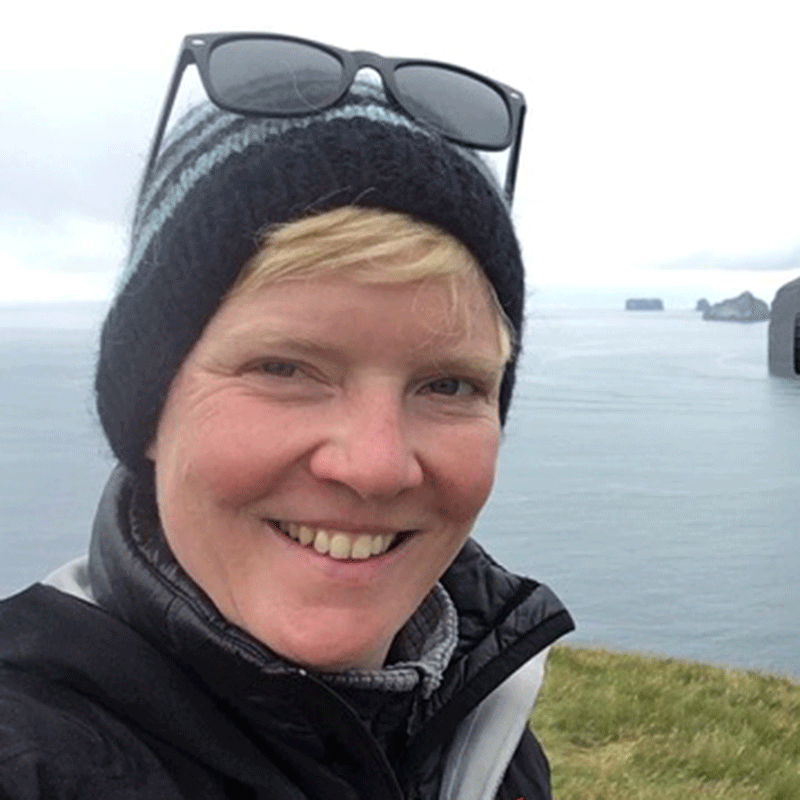
Bild: Tory Kallman/Shutterstock.com
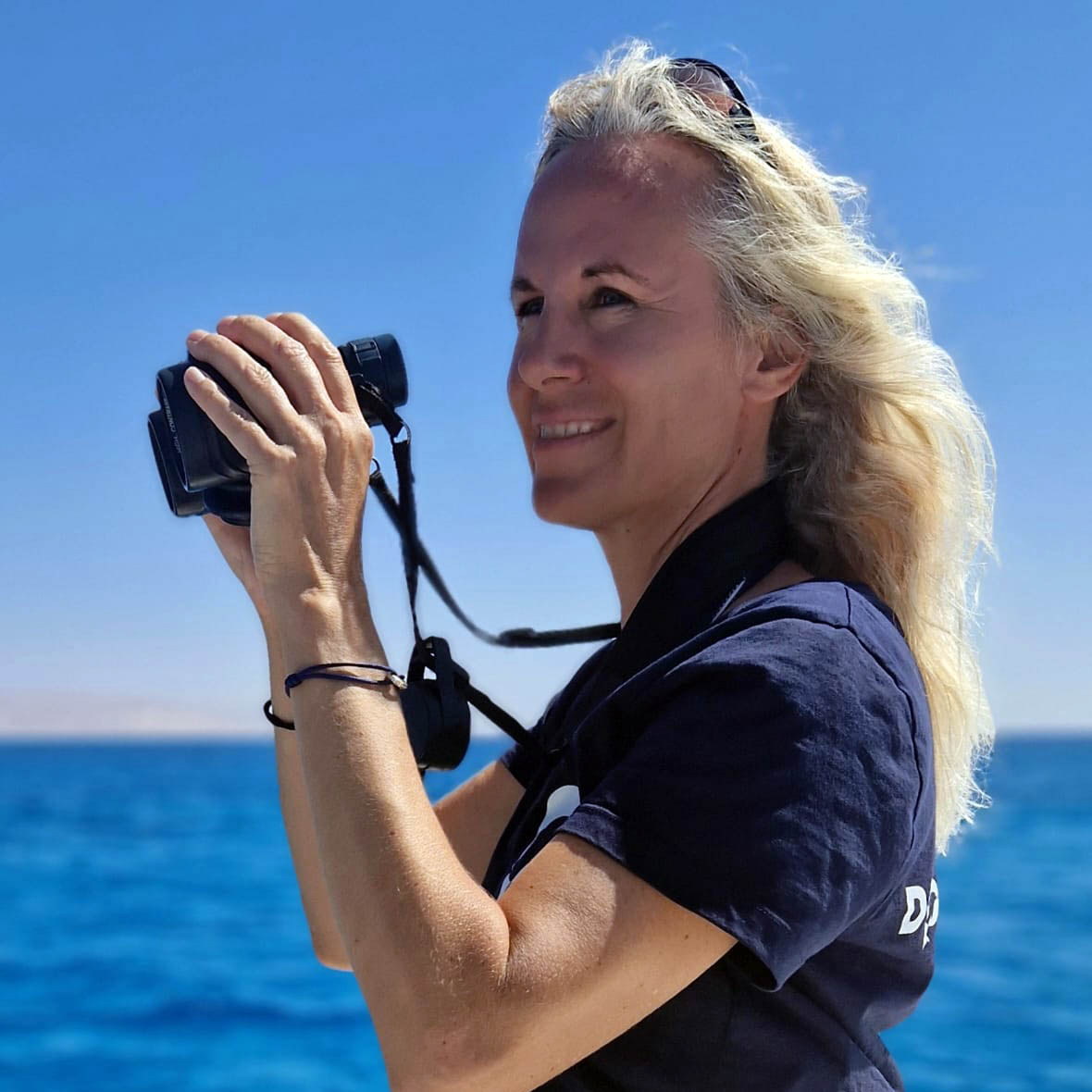
Angela Ziltener
Institute of Evolutionary Anthropology (IEA) at the University of Zurich & Dolphin Watch Alliance (DWA)
In the world of the Indo-Pacific bottlenose dolphin in the Red Sea
Since 2009, wildlife biologist and President of the Dolphin Watch Alliance (DWA), Angela Ziltener, has been studying the behavior of the Indo-Pacific bottlenose dolphin (Tursiops aduncus) in the Red Sea. At the same time, she advocates for the sustainable protection of dolphins and promotes respectful interactions with them—an urgent need, as their way of life is increasingly affected by growing tourism. While research observations are usually conducted from boats, the conditions off Hurghada and El Gouna also allow for underwater studies using scuba diving. This approach is unique worldwide for the study of Indo-Pacific bottlenose dolphins.
Bild: Helen Sampson
Prof. Dr. Volker Deecke
Institute of Science and Environments, University of Cumbria
High-Tech Research on Orcas: Behavior, Communication, and Hunting
Orcas (Orcinus orca) occupy the top of the marine food chain. They are found in all the world’s oceans, yet surprisingly little is known about how these animals communicate and locate their prey. This lecture presents research using innovative digital tags to study the behavior of mammal-eating and fish-eating orcas in the Northeast Pacific. It demonstrates how new technologies can help us understand how these animals communicate, locate, and capture their prey, and how underwater noise can affect these essential life processes. These insights not only expand our understanding of these fascinating animals and their habitats but also ultimately help us protect them more effectively.
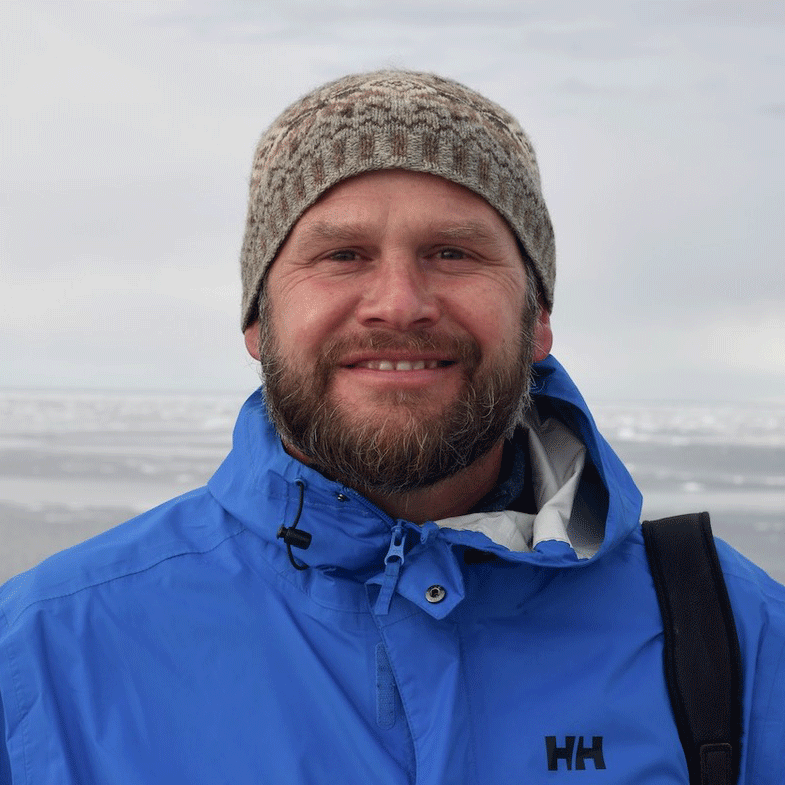
Bild: Volker Deecke
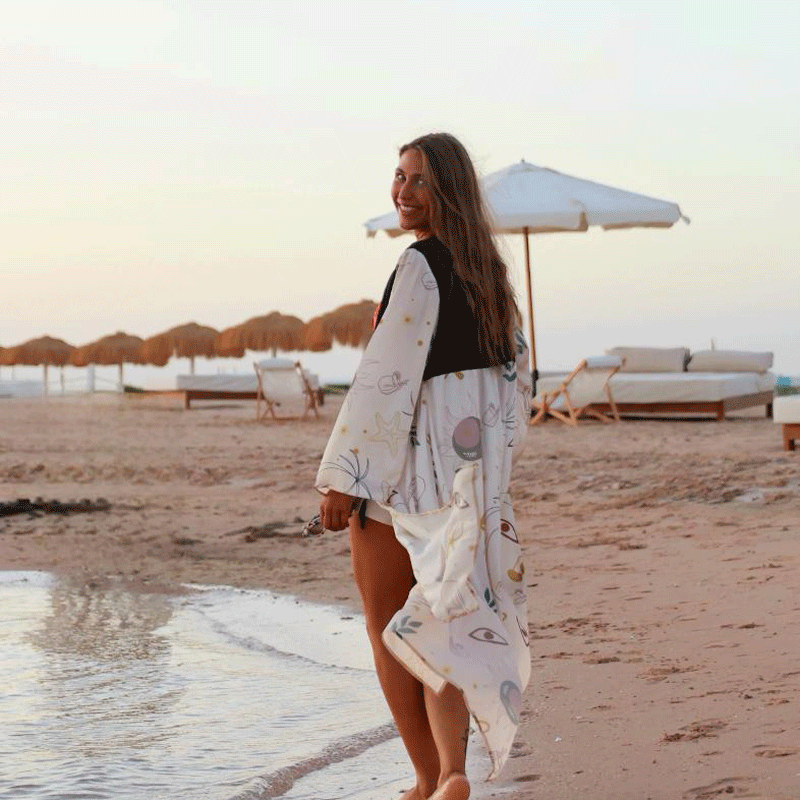
Sarah Abdelhamid
MSc. Integrative Zoology; Marine Biologist at TurtleWatch Egypt 2.0
Sea Turtles in the Red Sea – Biology, Threats, and Their Role in Citizen Science
For nearly ten years, Sarah Abdelhamid has been observing the coral reefs of the Red Sea, focusing on their ecological dynamics, resilience to environmental changes, and the protection of these sensitive habitats. For the past two years, she has been actively involved in the TurtleWatch Egypt 2.0 project, giving talks, leading snorkeling tours, and working on-site to protect nesting sites. Sea turtles, these majestic marine animals, are popular among divers for their graceful appearance and calm demeanor. Yet few people realize how complex their life cycles are and how dependent they are on intact feeding grounds, undisturbed nesting beaches, and long migrations. Key threats include the loss of undisturbed nesting sites, increasing coastal development, bycatch, and marine debris. The lecture will also highlight species-specific differences in morphology and habitat use. Through citizen science, TurtleWatch Egypt 2.0 actively engages divers and snorkelers in monitoring efforts—from sighting reports to documenting injuries. These contributions expand our understanding of sea turtles and support concrete conservation measures, which will also be briefly discussed during the talk.
Bild: Turtle Watch Egypt 2.0
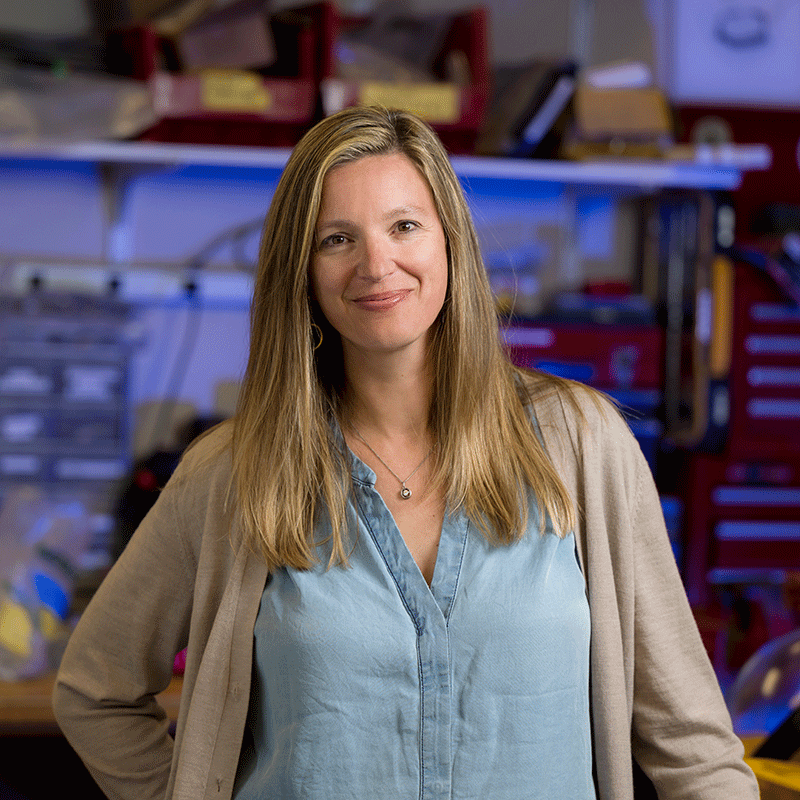
Prof. Dr. Simone Baumann-Pickering
Scripps Acoustic Ecology Laboratory, Scripps Institution of Oceanography, UC San Diego
Listening to the Ocean’s Deepest Divers
Beaked Whales are among the ocean’s most extreme divers, spending the majority of their lives far below sunlight in the deep sea—beyond our sight. Since they are rarely seen at the surface, scientists study them by listening to the sounds they produce deep underwater. This lecture will show how underwater microphones allow researchers to hear sperm whales as they hunt, navigate, and communicate in the deep sea. These acoustic recordings provide insight into their habitats, how they use critical areas, and how oceanographic changes and human-made noise can affect their behavior. For divers and marine conservationists, sperm whales are a striking reminder that much of ocean life exists beyond what we can see—and that protecting the ocean also means safeguarding the deep sea and its soundscape.
Schnabelwale sind Rekordhalter im Tief- und Langtauchen. Bild: Jennifer Trickey, UC San Diego, Permit No. 17312
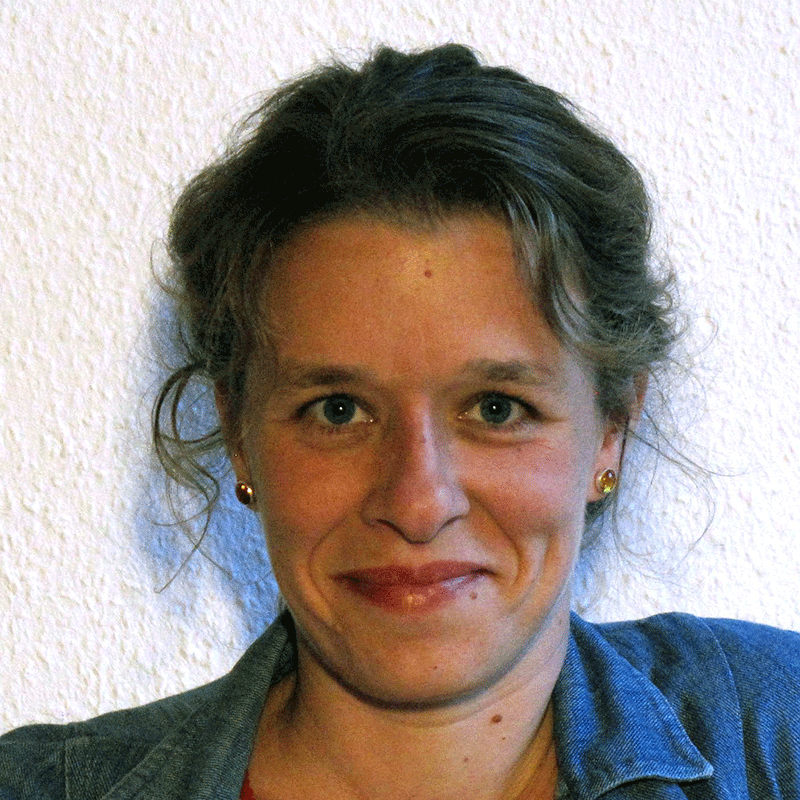
Prof. Dr. Frederike Hanke
Marine Science Center, Institute of Biosciences, University of Rostock
How Smart Are Octopuses Really?
When asked about octopuses, many people answer, “Octopuses are smart!”—thanks to the many stories about their intelligence. But how truly “intelligent” are octopuses? In her lecture, Frederike Hanke from the University of Rostock will explore this question and take the audience on a fascinating journey into the world of octopuses.
Bild: Jesus Cobaleda/Shutterstock.com
Anja Gallus
Deutsches Meeresmuseum, Stralsund
Whales on Our Doorstep – The Harbour Porpoises of the Baltic Sea
For over twenty years, Anja Gallus has been dedicated to studying the native harbour porpoise. These small marine mammals are inconspicuous, but can be detected using underwater microphones. Their high-frequency sounds are used for navigation, communication, and hunting. Through a network of monitoring stations across the Baltic Sea, Anja Gallus and her team at the German Oceanographic Museum can track the presence and seasonal distribution of these small toothed whales. In addition, studies on deceased porpoises provide valuable information on their diet, health, and potential causes of death.
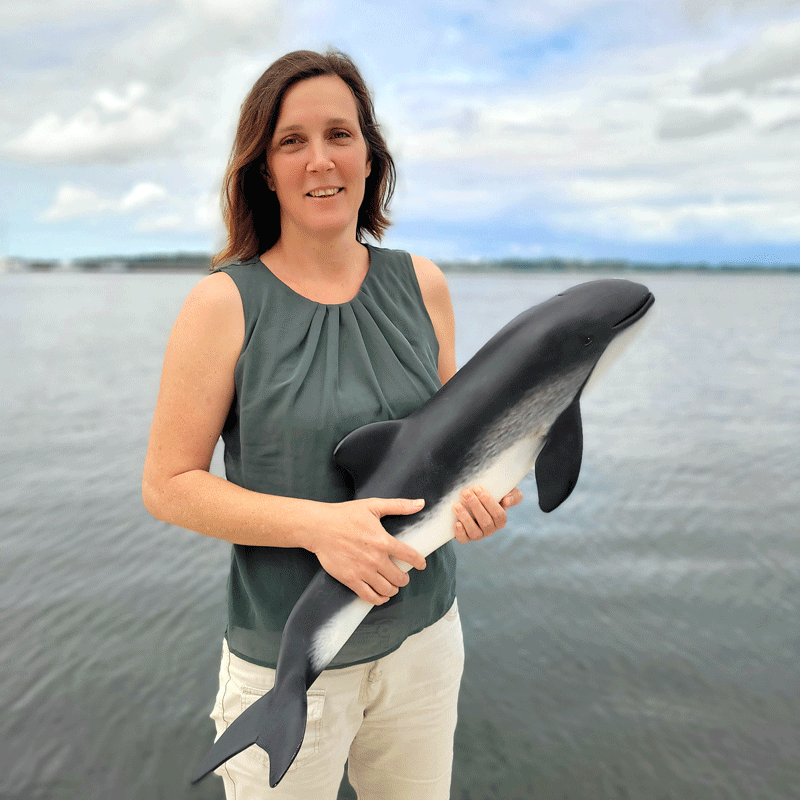
Bild: Udo Klaproth
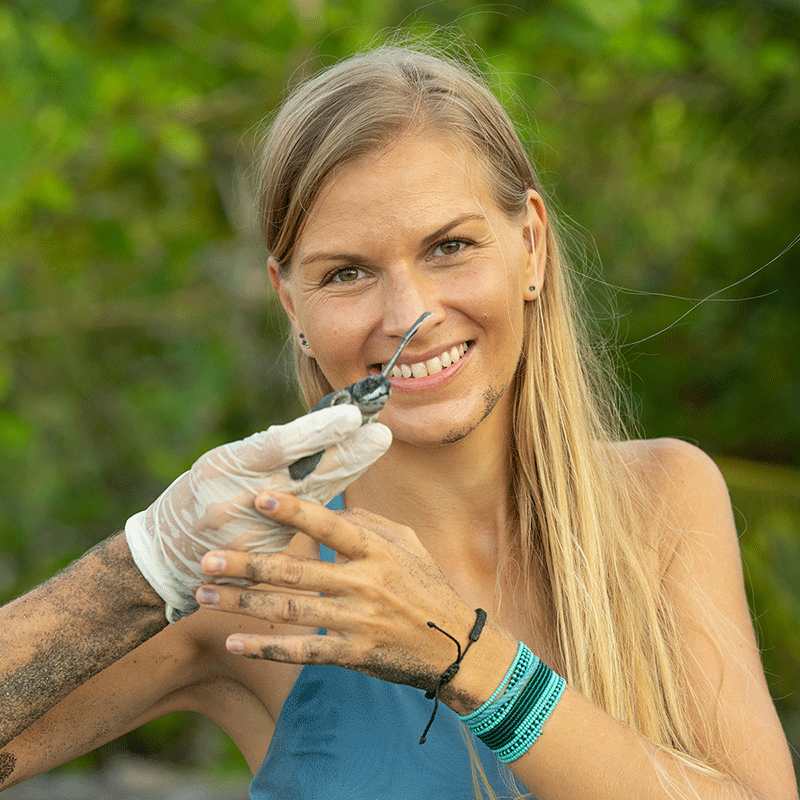
Dr. Christine Figgener
Costa Rican Alliance for Sea Turtle Conservation and Science (COASTS) & ProMar e.V.
Turtles in Focus: Insights into the Ecology and Conservation of Marine Habitats
Sea turtles spend the majority of their lives in the ocean. Yet, over the past decades, conservation efforts have focused primarily on nesting beaches. Beyond these nesting sites, sea turtles rely on a wide variety of marine habitats, from coastal seagrass meadows and coral reefs to the open ocean. This cross-habitat ecology, connecting land and sea, makes them important indicators of the health of marine ecosystems. In this lecture, Christine Figgener draws on 20 years of fieldwork and research on sea turtles in Costa Rica. Using long-term data and case studies, she shows how a strong focus on protecting nesting beaches left processes at sea largely invisible—and why sea turtles can help us look more closely to identify key challenges in marine conservation. The lecture is especially aimed at divers who want to understand sea turtles not only through observation but also in their ecological context, and who wish to better appreciate the significance of different marine and nearshore habitats.
Bild: Andre-Johnson/Shutterstock.com
Prof. Dr. Heike Wägele
Former Head of the Section for Phylogenetics and Evolutionary Biology, Leibniz Institute for the Analysis of Biodiversity Change, Museum Koenig Bonn
Research on Marine Nudibranchs in North Sulawesi, Indonesia
For over 40 years, Heike Wägele has been studying marine nudibranchs around the world, with a recent focus on Indonesia. Nudibranchs are well known to many divers for their striking colors and shapes. In particular, the Coral Triangle hosts the greatest diversity of forms and species, yet many species remain undescribed, and new species are continually being discovered. This lecture will present discoveries from North Sulawesi, Indonesia, while also addressing environmental threats, such as pollution, that endanger local biodiversity.
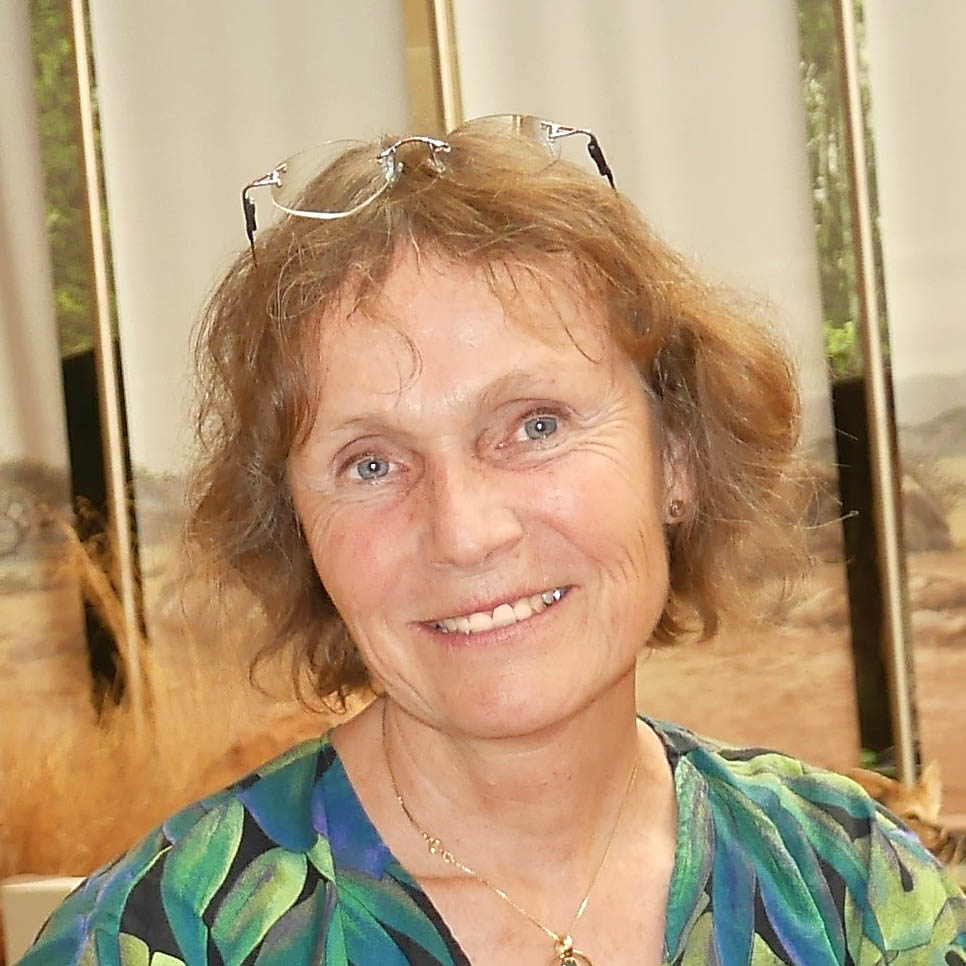
Bild: Heinz Erich Zappel
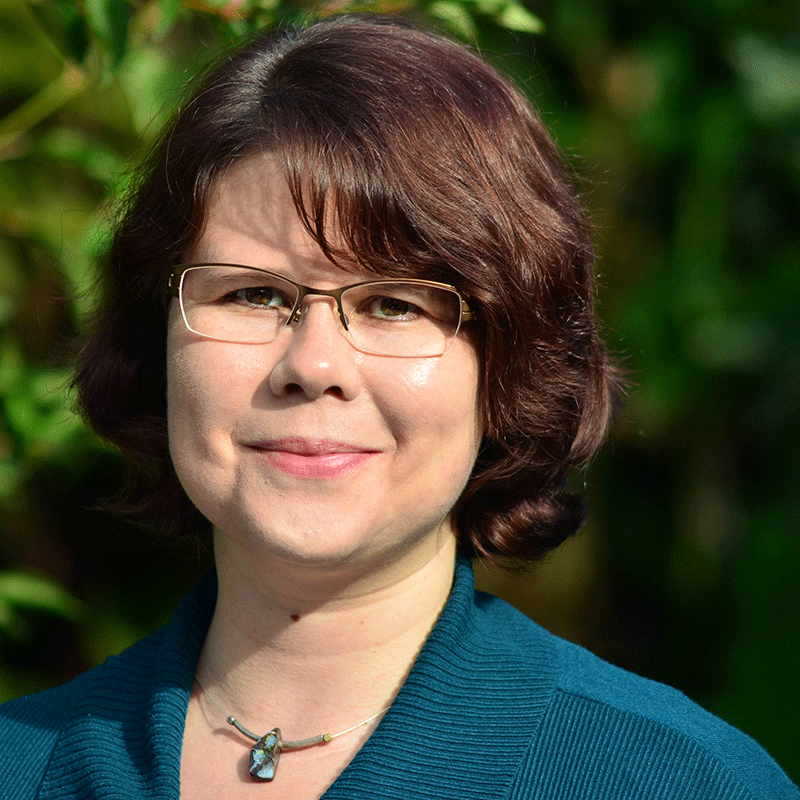
Birgit Braun
Executive Board Member of the Aktionsgemeinschaft Artenschutz (AGA) e.V.
Tracking Sea Turtles – How Photo ID Projects Contribute to Their Protection
On the Kenyan coast in Watamu, the Species Conservation Action Group (AGA) runs an innovative research project: using Photo Identification (Photo ID), sea turtles can be individually recognized by their unique head scale patterns—without any intervention or tagging. This method provides valuable data on population size, migration patterns, and the habitats of these endangered animals. The lecture will offer insights into collaboration with local partners, the significance of the data for sea turtle conservation, and how, for example, divers can actively support the project.
Bild: David Carbo/Shutterstock.com
Dr. Ralf Sonntag
Senior advisor Marine Conservation, World Future Council
The Disappearance of Whale Sharks
Ralf Sonntag works for several major international marine conservation organizations, with a particular focus on sharks—especially whale sharks. Their populations are steadily declining. The whale shark is the largest fish on the planet, even larger than most whale species, and there is much fascinating information about them. This lecture covers their long migrations, reproductive strategies, and their role in international trade. In recent years, significant efforts have been made to improve their conservation status. Various committees and international conventions have been leveraged, combined with extensive global advocacy. In December of last year, a breakthrough was achieved at CITES, the Washington Convention on International Trade in Endangered Species, and whale sharks are now listed at the highest protection level under all relevant conventions.
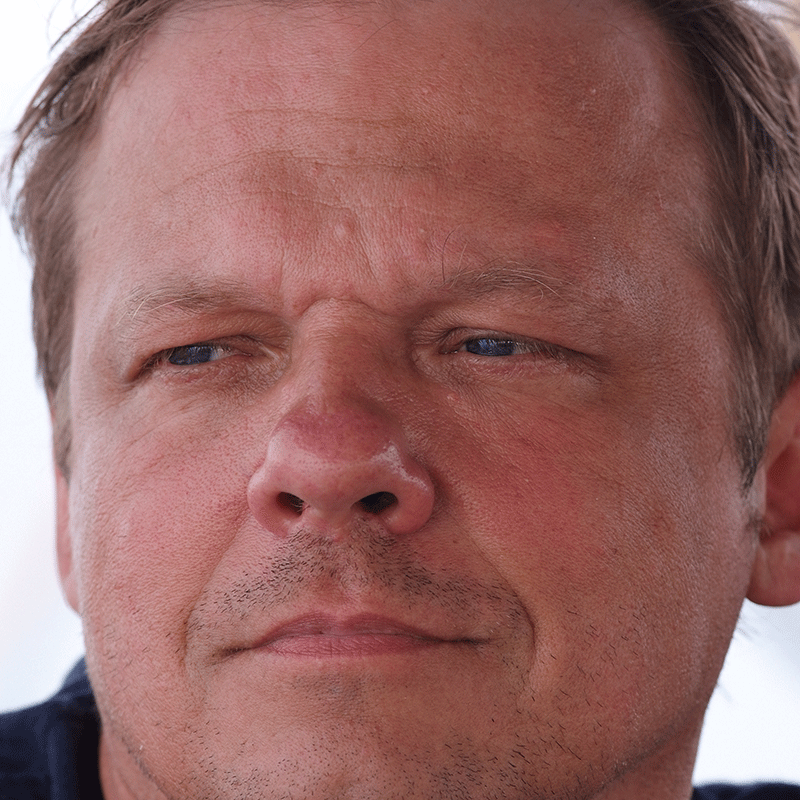
Bild: Jan Finsterbusch/Shutterstock.com
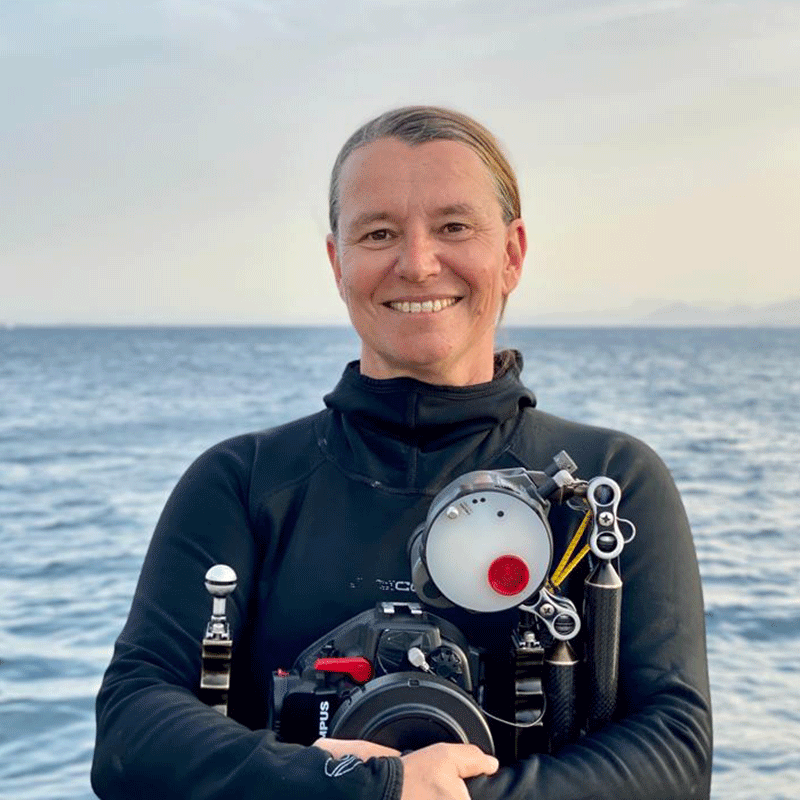
Dr. Elke Bojanowski
Red Sea Sharks Trust
Oceanic Whitetip Sharks (Carcharhinus longimanus) in the Red Sea
Since 2004, Elke Bojanowski has been studying this critically endangered shark species in Egypt. Her research platform consists of liveaboard dive boats, whose guests actively support her citizen science project with their underwater recordings. Oceanic whitetip sharks are often portrayed in documentaries and the media as dangerous and aggressive. A more objective description is that they are confident and curious. Alongside an introduction to their biology and behavioral ecology, the lecture will provide practical guidance on how to safely interact (and dive) with these—and other—open-ocean predators. The lecture will also offer insights into Elke Bojanowski’s research methods and emphasize the importance of shark conservation.
Bild: Martina & Herbert Bauder
All Lectures at a Glance
29 January 2026, 5:00–6:00 PM – Dr. Anna Selbmann: A Killer on the Run: Orcas in Iceland and Their Interactions with Pilot Whales
5 February 2026, 5:00–6:00 PM – Angela Ziltener: In the world of the Indo-Pacific bottlenose dolphin in the Red Sea
19 March 2026, 5:00–6:00 PM – Prof. Dr. Volker Deecke: High-Tech Research on Orcas: Behavior, Communication, and Hunting
9 April 2026, 5:00–6:00 PM – Sarah Abdelhamid: Sea Turtles in the Red Sea – Biology, Threats, and Their Role in Citizen Science
14 May 2026, 5:00–6:00 PM – Prof. Dr. Simone Baumann-Pickering: Listening to the Ocean’s Deepest Divers
11 June 2026, 5:00–6:00 PM – Prof. Dr. Frederike Hanke: How Smart Are Octopuses Really?
9 July 2026, 5:00–6:00 PM – Anja Gallus: Whales on Our Doorstep – The Harbour Porpoises of the Baltic Sea
17 September 2026, 5:00–6:00 PM – Prof. Dr. Heike Wägele: Research on Marine Nudibranchs in North Sulawesi, Indonesia
8 October 2026, 5:00–6:00 PM – Birgit Braun: Tracking Sea Turtles – How Photo ID Projects Contribute to Their Protection
15 October 2026, 5:00–6:00 PM – Dr. Christine Figgener: Turtles in Focus: Insights into the Ecology and Conservation of Marine Habitats
12 November 2026, 5:00–6:00 PM – Dr. Ralf Sonntag: The Disappearance of Whale Sharks
10 December 2026, 5:00–6:00 PM – Dr. Elke Bojanowski: Oceanic Whitetip Sharks (Carcharhinus longimanus) in the Red Sea
How to Register?
To register, simply enter your name and email address in the registration form. Make sure your email address is correct, as you will receive a confirmation at the address provided after submitting your registration. Once you have selected your desired lectures and submitted your registration, you will receive a confirmation email. 24 hours before each lecture, we will also send you the access link to this email address.
Register here!
The ReefExplorer Partners
The ReefExplorer lecture series is supported by numerous dedicated partners, including dive centers, dive travel operators, diving equipment manufacturers, dive training organizations, and scientific institutions that focus on biodiversity and the protection of the underwater world. Their joint commitment makes this lecture series possible and sends a strong message in support of preserving our oceans.








Any Questions?
If you have any further questions or need assistance, please feel free to contact us at info@reefexplorer.org.
We look forward to welcoming you soon.
Your aquatil Team